

Rajasthan’s Mines, Cement Kilns and Marble Yards Run on Conveyors — and the Desert Is Hard on Them
Rajasthan is India’s largest state by area and one of its most industrially varied. Udaipur and Bhilwara host India’s zinc and lead mining complex at Zawar, and the country’s richest copper belt at Khetri in Jhunjhunu. Chittorgarh, Nimbahera and Jaisalmer anchor one of India’s biggest cement clusters. Kishangarh is Asia’s largest marble market, fed by Makrana, Rajsamand, Jalore and Banswara. Bhilwara and Pali form one of India’s largest textile processing belts, and Khara, Bhiwadi and Alwar host ceramic and tile clusters on the Gujarat-border industrial corridor. Bhadla and Jodhpur anchor India’s largest solar park installations. Sambhar, Didwana and Pachpadra produce India’s salt. And Jaipur, Jodhpur, Bhiwadi and Kota handle a growing logistics and engineering corridor.
Every one of those industries uses belt conveyors somewhere in its production and dispatch chain. But almost none of them can afford to install a conveyor specified for a coastal, humid or cool-climate plant. Rajasthan’s western districts cross 50°C in summer. Sandstorms carry fine silica dust into every bearing. Day-night temperature swings in the desert cross 20°C. Marble slurry is uniquely abrasive. Cement dust settles on every surface. And water is scarce, so wash-down design has to be replaced by dry-clean design.
Rajasthan Conveyor Works builds conveyor systems specifically for these conditions. Heavy-duty zinc and copper mine conveyors for Zawar, Rampura-Agucha and Khetri. Cement plant conveyors for Chittorgarh, Nimbahera and Jaisalmer. Marble slurry-safe conveyors for Kishangarh, Rajsamand and Makrana. Textile handling conveyors for Bhilwara and Pali. Ceramic conveyors for Khara and Bhiwadi. Food-grade dairy conveyors for Jaipur and Alwar. Dust-proof solar and salt handling conveyors for Bhadla and Sambhar. And every one of those conveyors is specified for Rajasthan’s heat, dust, water scarcity and duty cycle — not adapted from a coastal catalogue that works fine in Mumbai but fails in Barmer.
Whether you are a Zawar mine upgrading an ore feed line, a Nimbahera cement plant replacing a clinker conveyor before the next campaign, a Kishangarh marble unit adding a slurry-safe sorting line, a Bhilwara textile unit installing a fabric handling conveyor, a Bhadla solar park setting up a module movement line, or a Jaipur dairy plant commissioning a new packing line — we have built, delivered and commissioned it before for Rajasthan buyers.
Request a Rajasthan-Specific Quote Factory-Direct · Rajasthan Ready
Built for Rajasthan’s 50°C Heat, Silica Dust, Temperature Swings and Water Scarcity
Rajasthan is not a single operating environment — it is four overlapping ones that each affect conveyor design differently. Western Rajasthan’s desert heat that crosses 50°C in Jaisalmer, Barmer, Bikaner, Churu and Jodhpur. Sandstorms that carry fine silica dust into every bearing and idler. Day-night temperature swings that stress belt compounds and frame coatings. And water scarcity in the desert belt that makes traditional wash-down designs impractical. Add the eastern Rajasthan monsoon that hits Bhilwara, Kota and Chittorgarh from June to September. Every belt conveyor system we build for Rajasthan is specified against all of these — not for the coastal humidity of Mumbai or the cool climate of a hill state.
Heat-Hardened Design
Belts rated for 55°C+ ambient temperature, motors with Class H insulation and high service factors, sealed bearings rated for high ambient, and heat-resistant belt covers for cement and clinker. This is the single most important specification for any conveyor in Rajasthan’s desert districts.
Dust-Sealed Construction
Silica dust from sandstorms, marble dust from Kishangarh, cement dust from Chittorgarh, and mineral dust from Zawar all find their way into every bearing. We use labyrinth-sealed bearings, dust-tight covers on idlers and motors, and belt cleaners that prevent carry-back and dust recirculation.
Temperature-Swing Tolerance
Desert day-night swings of 20°C+ stress belt compounds and frame coatings. We specify belts and coatings that maintain flexibility at low night temperatures and do not soften at peak day temperatures, and design frames with thermal expansion tolerance.
Water-Scarcity Design
Rajasthan’s desert belt is water-stressed. Where coastal designs use water wash-down, we design for dry-clean and low-water-wash operation, using dry-scrape belt cleaners, air-blast cleaning, and dust-extraction where food hygiene or cement quality demands it.
Full Compliance Documentation
Test certificates, material certificates, O&M manuals, spare-parts lists and food-safety declarations shipped with every conveyor — auditable for cement plants, food processors, dairy units, textile mills and export-oriented ceramic manufacturers.
Installation Across Rajasthan
Commissioning support in Jaipur, Jodhpur, Udaipur, Kota, Bikaner, Ajmer, Bhilwara, Alwar, Chittorgarh, Sikar, Pali, Sri Ganganagar, Jhunjhunu, Barmer, Jaisalmer, Banswara, Churu, Dungarpur, Jalore, Nagaur, Rajsamand, Sawai Madhopur, Sirohi, Tonk and Hanumangarh.
Belt Conveyor Types We Manufacture for Rajasthan
The same conveyor factory produces machines for very different Rajasthan industries. A Zawar zinc mine conveyor and a Kishangarh marble slurry conveyor need completely different belts, frames and dust protection. A Bhilwara textile handling conveyor and a Bhadla solar module line need different tracking systems and duty cycles. Every type below is customisable by belt width, length, incline angle, frame material, drive configuration and control interface — and every specification is chosen around the material, the heat, the dust and the duty cycle the conveyor will actually operate in.
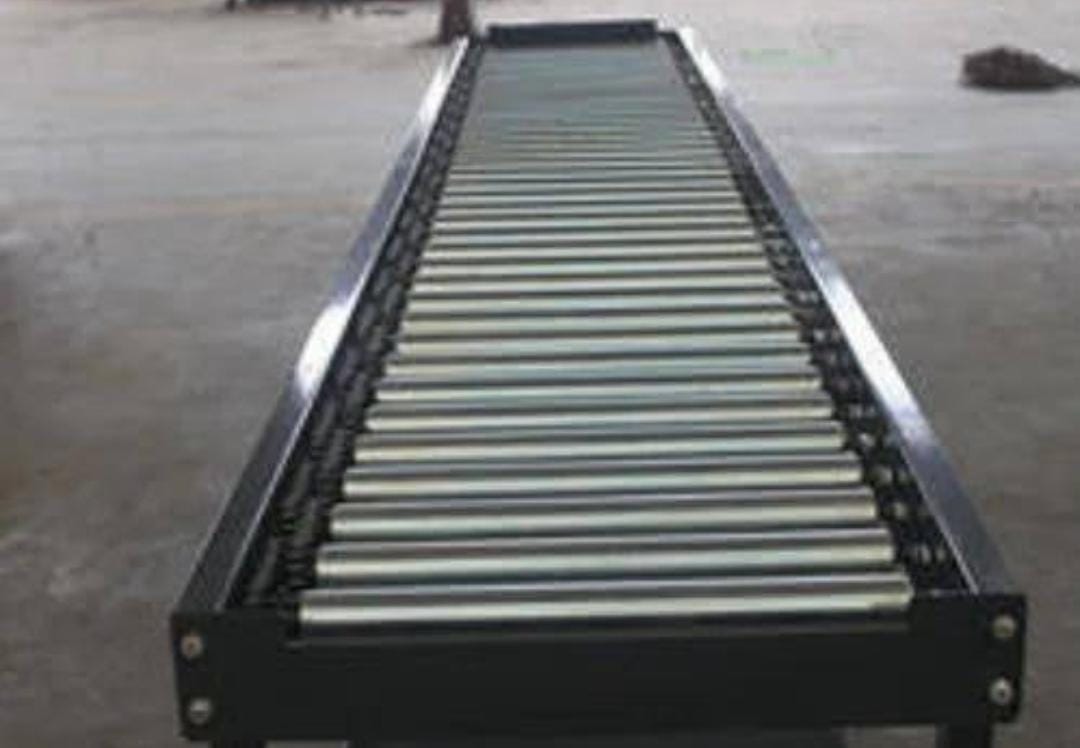
Mining Conveyors
Heavy-duty rubber belts, impact idlers, reinforced frames and dust-sealed bearings for zinc, lead and copper ore handling at Zawar, Rampura-Agucha and Khetri.
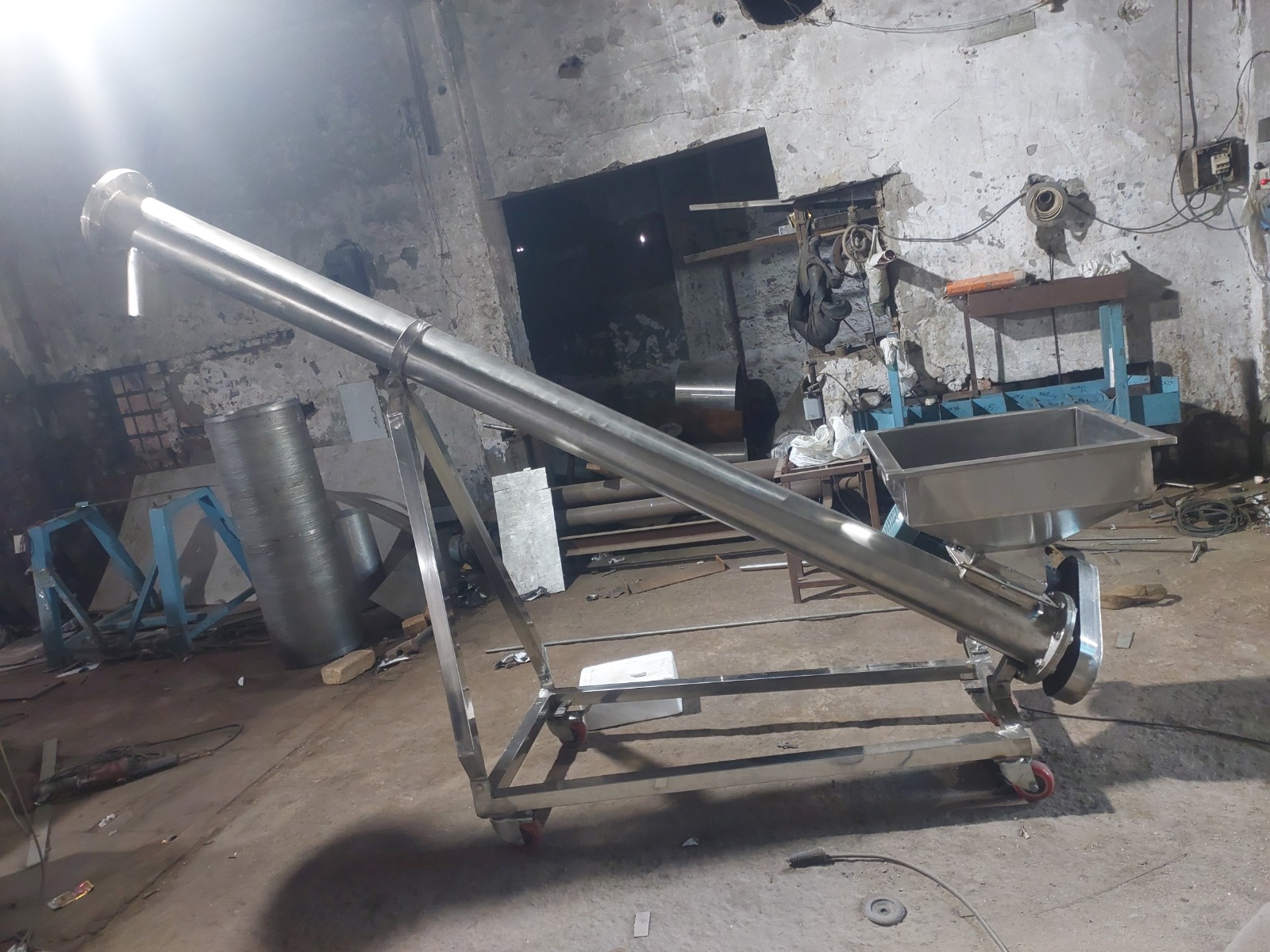
Cement Plant Conveyors
Heat-resistant and abrasion-resistant belts, troughing idlers and dust-tight covers for clinker, limestone, gypsum and bagged cement across Chittorgarh, Nimbahera, Jaisalmer and Bundi.

Marble & Granite Conveyors
Slurry-safe and dust-proof conveyors for marble and granite cutting, polishing, sorting and packing across Kishangarh, Rajsamand, Makrana, Jalore and Banswara.
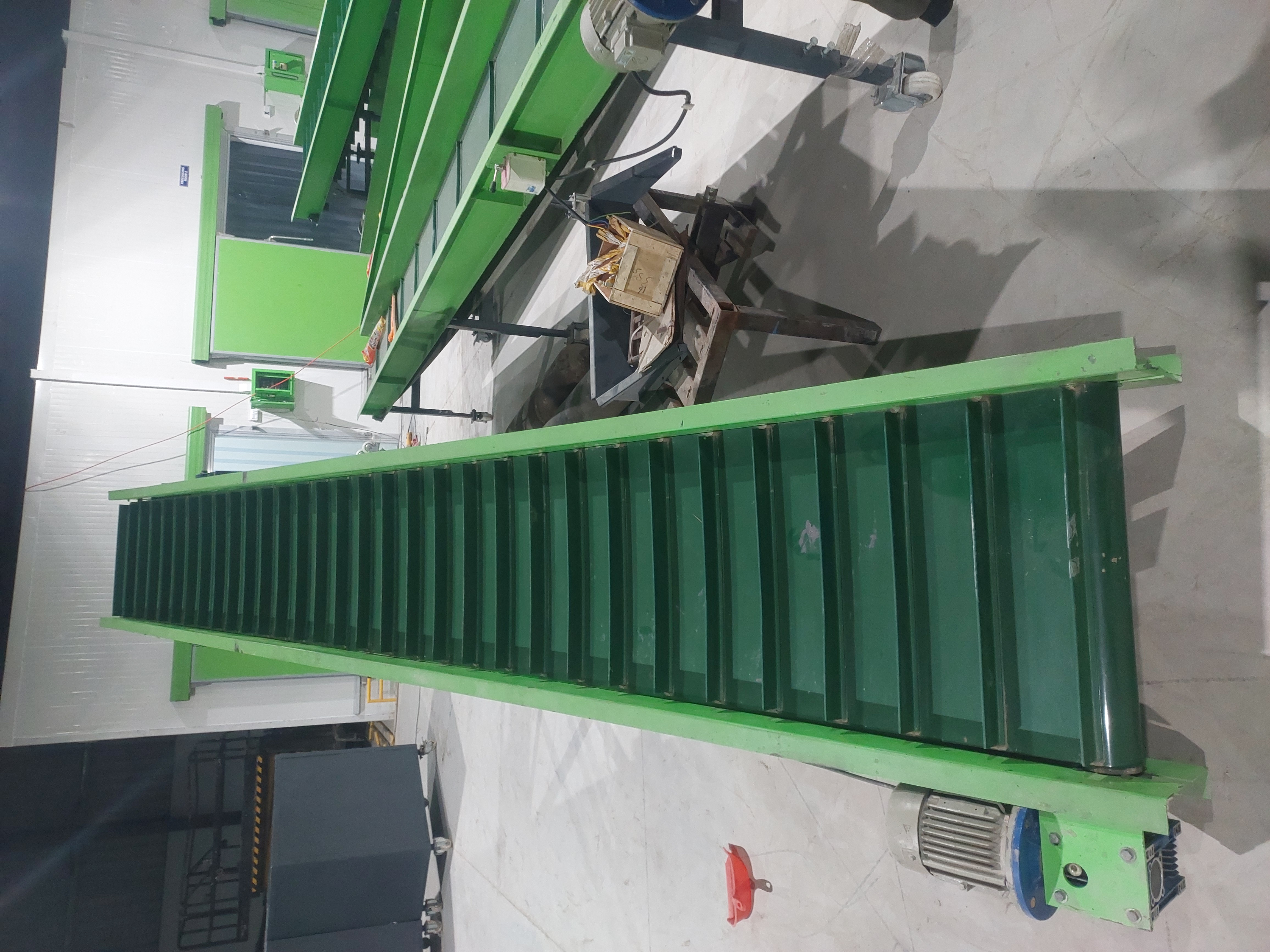
Inclined & Cleated Conveyors
Cleated belts for steep inclines where ore, cement or grain tends to roll back. Elevating between process stages with adjustable discharge heights.
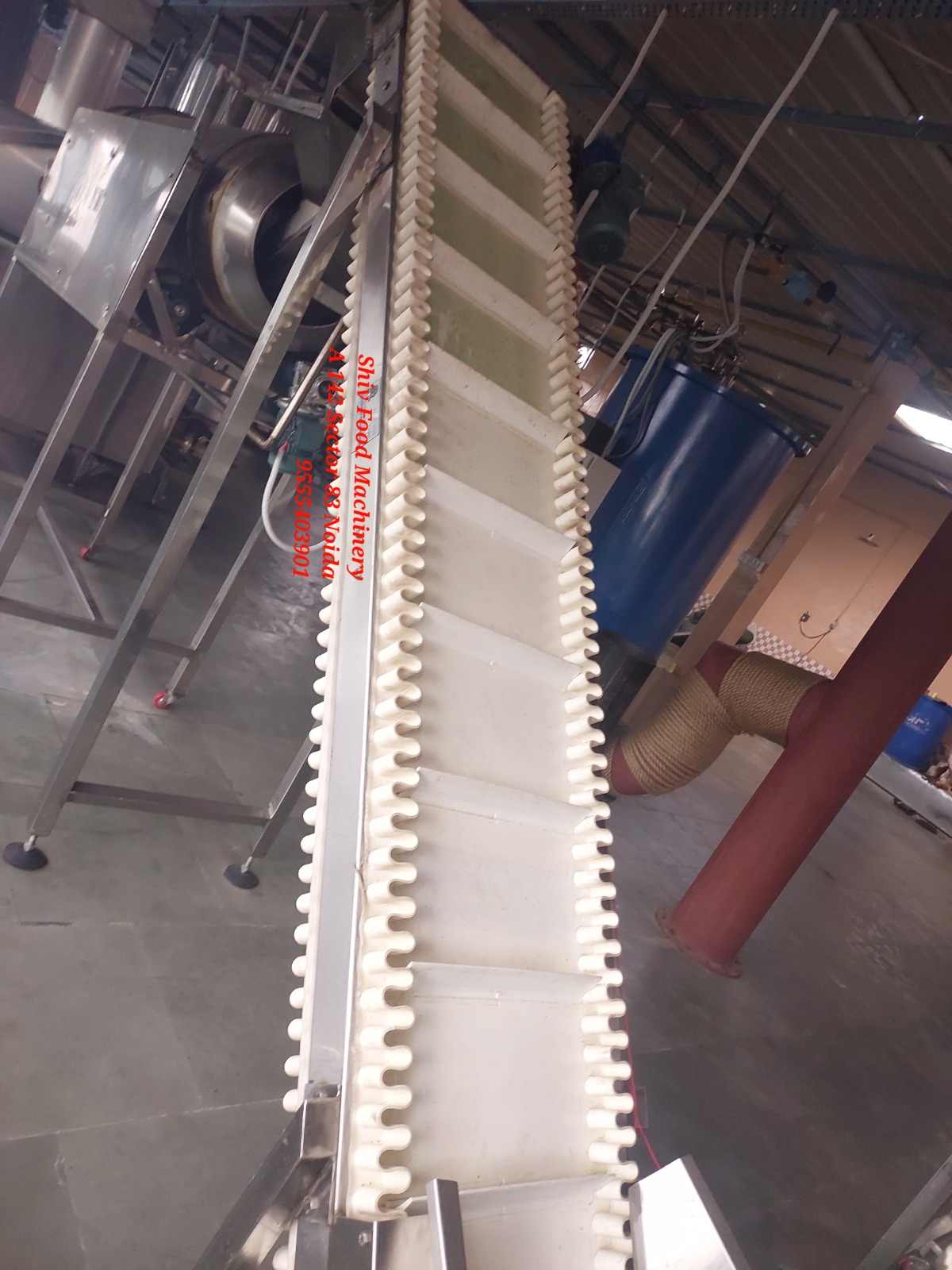
Modular Belt Conveyors
Plastic modular belts for textile packing, ceramic tile handling, FMCG and warehouse logistics across Bhilwara, Pali, Khara, Jaipur and Bhiwadi.

Wiremesh Belt Conveyors
For cooling clinker, drying chilli and spices, and airflow-critical food and dairy applications. Stainless mesh for hygienic uses.
Sectors That Rely on Our Conveyors Across Rajasthan
The same conveyor factory supplies a wide spread of Rajasthan industries. Zinc and copper mines in Zawar, Rampura-Agucha and Khetri, cement plants across Chittorgarh and Jaisalmer, marble and granite units in Kishangarh and Rajsamand, textile mills in Bhilwara and Pali, ceramic plants in Khara and Bhiwadi, solar parks in Bhadla and Jodhpur, salt works at Sambhar and Didwana, and dairy and food processing units in Jaipur and Alwar — each needs a different belt, frame and drive specification, but every buyer needs a manufacturer who understands the material, the desert heat and the dust.
Mining & Minerals
Zinc, lead and copper mining at Zawar, Rampura-Agucha and Khetri. Heavy-duty rubber belts, impact idlers and reinforced frames for continuous ore handling.
Cement Plants
Chittorgarh, Nimbahera, Jaisalmer and Bundi cement clusters. Heat-resistant clinker conveyors, limestone handling and bag packing lines.
Marble & Granite
Kishangarh, Rajsamand, Makrana, Jalore and Banswara marble and granite processing. Slurry-safe, dust-proof conveyors for cutting, polishing and packing.
Textiles & Yarn
Bhilwara, Pali, Kishangarh and Jaipur textile processing and yarn units. Fabric handling, yarn movement and packing conveyors sized for textile mill flow.
Ceramics & Tiles
Khara, Bhiwadi and Alwar ceramic and tile clusters. Dust-tight and heat-resistant conveyors for tile body, glaze and finished tile handling.
Solar, Salt & Food
Bhadla and Jodhpur solar module movement, Sambhar and Didwana salt handling, and dairy and food processing in Jaipur, Alwar and Bikaner.
 Heavy-Duty · Mine Grade
Heavy-Duty Belt Conveyors for Rajasthan’s Zinc, Lead and Copper Mines
Rajasthan is India’s base-metal heartland. The Zawar and Rampura-Agucha mines in the Udaipur–Bhilwara belt together form one of the country’s largest zinc and lead mining operations, and the Khetri copper belt in Jhunjhunu has been producing copper for centuries. The state also mines limestone, gypsum, rock phosphate, wollastonite, soapstone and asbestos across Udaipur, Jodhpur, Nagaur, Jaisalmer, Barmer and Banswara. Every one of those operations moves ore and waste rock on belts.
Mining conveyors in Rajasthan face a duty cycle that is closer to international mine standards than to general manufacturing. Continuous three-shift operation. High impact at loading points. Abrasive ore that eats belts. Fine silica dust that finds its way into every bearing. 50°C+ summer heat. And remote mine sites where a single spare part delay can cost more than the conveyor. Every component we specify for Rajasthan mines is chosen for that reality, not for a mainland catalogue.
- Ore feed conveyors: Heavy-duty troughing conveyors with impact idlers and buffer beds at loading points, abrasion-resistant rubber belts, and frames designed to absorb continuous shock loading without deforming.
- Waste rock handling: Wide troughing conveyors with reinforced carcasses and heavy frames for continuous overburden movement. High-impact and edge-resistant belts.
- Concentrate transport: Enclosed or covered conveyors for zinc, lead and copper concentrates, with dust containment that keeps the plant atmosphere clean and reduces product loss.
- Underground and incline conveyors: Compact, high-angle conveyors with cleated or rough-top belts for underground ore lifting and steep incline haulage.
Serviced mine belts: Zawar, Rampura-Agucha, Khetri, Udaipur, Bhilwara, Jhunjhunu, Sikar, Banswara, Sirohi and Jaisalmer. Mining units typically order heavy-duty conveyors with full documentation, heat and dust protection, and spares planning suited to remote site access.

Heavy-Duty Belt Conveyors for Rajasthan’s Cement Industry
Rajasthan is one of India’s largest cement-producing states, with a cluster that runs across Chittorgarh, Nimbahera, Jaisalmer, Bundi and the surrounding limestone belts. These plants receive limestone from captive mines, move it through crushing, raw mill and kiln, then handle clinker, gypsum and bagged cement. Belt conveyors are the backbone of this entire internal logistics chain, and in a Rajasthan cement plant every conveyor is exposed to some of the toughest conditions in Indian industry.
Cement duty is punishing in ways that rice milling or warehousing is not. Clinker leaves the kiln at 200°C+ and stays hot at transfer points. Limestone lumps can be 300 mm across. Gypsum is fine and dusty. Bagged cement needs gentle, dust-controlled handling to avoid bag damage and spillage. And Rajasthan’s summer heat adds an ambient stress that a coastal cement plant does not face.
We specify heat-resistant belt covers for clinker stages, heavy-duty abrasion-resistant rubber for limestone, dust-tight construction for gypsum and packing, and frames sized with the ambient heat and thermal expansion of Rajasthan in mind. A cement packing plant that needs an 800 mm troughing conveyor running 20 m at 15° incline with impact idlers is a typical Rajasthan specification, but the belt cover grade and motor service factor will be different from the same conveyor installed in Kerala.

Marble and Granite Conveyors for Rajasthan’s Stone Industry
Rajasthan produces more marble and granite than any other Indian state. Kishangarh is Asia’s largest marble market, fed by the quarries of Makrana — famous for the white marble used in the Taj Mahal — Rajsamand, Jalore, Banswara and Sirohi. Granite production is concentrated in Jalore, Sirohi and Banswara, and the state also produces sandstone in Dholpur, Karauli and Jodhpur. Every stage of stone processing — block cutting, slab polishing, edge grinding, finished slab sorting, packing and dispatch — uses conveyors or material handling equipment somewhere.
Marble and granite processing is uniquely demanding on conveyors. Marble slurry — a mixture of stone powder and water — is highly abrasive and sets like cement if it dries. Stone dust from cutting and polishing is fine and settles on every surface. Slabs are heavy and can be sharp-edged. And Rajasthan’s water scarcity makes traditional water-based stone processing increasingly regulated, driving the industry toward dry-cutting and dust-extraction systems that put even more demand on the conveyor.
- Slurry-safe conveyors: Belt compounds that resist slurry absorption and do not harden when marble dust dries on the belt. Frame drainage paths that do not trap slurry.
- Dust-proof construction: Labyrinth-sealed bearings, dust-tight covers on idlers and motors, and belt cleaners that prevent marble dust from recirculating into the plant atmosphere.
- Heavy slab handling: Flat and roller conveyors with reinforced frames and impact-absorbing surfaces designed for the weight and sharp edges of finished stone slabs.
- Finished slab sorting: Flat belt conveyors with smooth surfaces that let inspectors see and grade slabs without scratching the polished face.
Serviced stone belts: Kishangarh, Makrana, Rajsamand, Jalore, Banswara, Sirohi, Dholpur, Karauli, Jodhpur and Ajmer. Stone processors typically order slurry-safe and dust-proof conveyors with stainless or galvanised frames and dry-clean belt-cleaning systems that do not require constant water washing.
Textile and Yarn Conveyors for Rajasthan’s Textile Belt
Bhilwara is often called India’s “Manchester” — a textile processing cluster producing suitings, shirtings and fabrics for the domestic and export markets. Pali, Kishangarh, Jaipur, Bhilwara and Balotra together form one of India’s densest textile processing belts, covering spinning, weaving, dyeing, printing, finishing and garmenting. Every one of those stages uses some form of material handling, and the fabric and yarn movement stages are increasingly being automated with conveyors.
Textile conveyors are different from every other conveyor we build. Fabric is lightweight, flexible, static-generating and easily damaged. Yarn is delicate and snags easily. Dyeing and printing processes put moisture and chemicals into the environment. And Rajasthan’s dust and heat add a third stress on top of that. A conveyor that moves coal will not move fabric without damaging it. Our textile conveyors are specified for gentle handling, static dissipation and chemical resistance where relevant.
- Fabric handling: Flat belt conveyors with smooth PVC surfaces that carry fabric without snagging, creasing or leaving pressure marks during inspection, measurement and packing.
- Yarn movement: Low-speed conveyors that move yarn cones, bobbins and packages between spinning, winding and warping without snagging the yarn.
- Dyeing and finishing: Chemical-resistant and moisture-resistant belt compounds and stainless or epoxy-coated frames for dyeing and printing environments.
- Packing and dispatch: Modular belt conveyors that move finished fabric rolls and garments from packing to dispatch with anti-static construction where needed.
Serviced textile belts: Bhilwara, Pali, Kishangarh, Jaipur, Balotra, Jodhpur, Bhilwara, Sikar and Alwar. Textile units typically order gentle-handling conveyors with food-grade or fabric-safe PVC belts and low-speed drives sized for their specific process flow.
Ceramic and Tile Conveyors for Rajasthan’s Khara and Bhiwadi Clusters
Rajasthan hosts one of India’s largest ceramic and tile clusters, centred on Khara in Alwar district, with additional production in Bhiwadi, Alwar and the surrounding Rajasthan–Haryana industrial corridor. The cluster produces wall tiles, floor tiles, vitrified tiles, sanitaryware and ceramic raw material — and it runs on belt conveyors from body preparation through glazing, printing, firing, inspection, sorting and packing. The operating environment is close to a Morbi ceramic plant but with Rajasthan’s higher ambient heat, which adds an extra stress on motors and belt compounds.
Body and Glaze Feed Conveyors
Enclosed or covered belt conveyors move spray-dried body and glaze powders without generating the fine silica-rich dust that corrodes bearings and motor windings. Dust-tight covers and sealed bearings are standard on all Rajasthan ceramic conveyors.
Glazing Line Conveyors
Flat belt conveyors with smooth PVC/PU surfaces and precise speed control allow tiles to pass through glaze application and printing stations without slipping or misalignment. Food-grade or ceramic-grade belts that do not stain.
Inspection and Packing Conveyors
Flat belt conveyors with smooth surfaces and variable-frequency drives let QC teams sort and grade tiles without belt abrading the glazed surface. Modular conveyors move boxed tiles to weigh stations, palletisers and dispatch.
Food-Grade and Dairy Conveyors Across Rajasthan
Rajasthan is one of India’s largest dairy states — Jaipur, Alwar, Bikaner, Jodhpur and Sri Ganganagar are home to major dairy plants and cooperative milk unions, and the state produces some of India’s largest volumes of milk, ghee, butter and milk powder. Rajasthan also processes mustard, wheat, guar, bajra, chilli, coriander, cumin and other spices and grains, and its food processing sector is growing quickly under state food park and MSME schemes.
Food-grade conveyors in Rajasthan have to meet three demands that coastal food conveyors do not. Hygiene under FSSAI standards. Dust resistance in Rajasthan’s ambient dust load. And water-scarcity design, because traditional wash-down is not always practical in Rajasthan’s water-stressed districts. Our food-grade conveyors address all three: SS 304 frames, food-grade PVC/PU belts, dry-scrape cleaning with low-water-wash options, and dust-tight covers for grain and spice handling.
- Dairy handling: Flat and inclined conveyors that move milk powder bags, butter cartons, ghee tins and cheese blocks with smooth acceleration and no product damage.
- Grain and spice: Enclosed or covered belt conveyors that prevent dust escape and cross-contamination between spice types, with stainless contact surfaces that do not stain.
- Mustard and oil seed: Troughing belt conveyors with controlled feed rates that prevent kernel damage and dust generation during intake and cleaning.
- Packaging and dispatch: Flat and inclined conveyors that move filled packets, pouches and bottles to weighing, sealing and dispatch with smooth acceleration.
Serviced districts: Jaipur, Alwar, Bikaner, Jodhpur, Sri Ganganagar, Ajmer, Kota, Bhilwara, Udaipur, Hanumangarh, Sikar and Jhunjhunu. Food processors typically order food-grade conveyors with SS 304 frames, food-grade PU belts, FSSAI-compatible documentation and dry-clean or low-water-wash design for Rajasthan’s water reality.
Conveyors for Rajasthan’s Solar Parks and Salt Works
Rajasthan hosts two industries that almost no other Indian state has at scale. First, solar power — Bhadla Solar Park in Jodhpur district is one of the largest solar installations in the world, and Jodhpur, Barmer, Jaisalmer and Bikaner together host a huge share of India’s solar and wind capacity. Second, salt — Sambhar Lake is India’s largest inland salt lake, and Didwana, Pachpadra and the Barmer belt produce a substantial share of India’s edible and industrial salt.
Neither industry uses conveyors the way a cement plant does, but both have genuine conveyor needs that a mainland catalogue conveyor will not survive. Solar module handling needs gentle, dust-controlled, low-speed movement with static dissipation in a high-dust desert environment. Salt handling needs corrosion-resistant frames, stainless fasteners and belts that do not absorb salt moisture, in an environment that is simultaneously hot, salty and dusty.
- Solar module handling: Flat and roller conveyors for module loading, unloading, staging and inspection during installation and maintenance. Anti-static surfaces, low-speed drives and dust covers for the desert environment.
- Salt handling: Corrosion-resistant frames, stainless fasteners, and belt compounds that resist salt moisture absorption. Dust-tight covers and belt cleaners for salt dust and crystal edges.
- Salt packing: Food-grade conveyors for edible salt packing, with food-safe PVC/PU belts and SS 304 frames for hygiene compliance.
- Solar park logistics: Flat and inclined conveyors for module and component movement at installation staging areas and O&M warehouses.
Serviced locations: Bhadla, Jodhpur, Barmer, Jaisalmer, Bikaner, Sambhar, Didwana, Pachpadra, Nagaur and Churu. Solar and salt units typically order corrosion-resistant and dust-proof conveyors with full documentation and installation planning suited to remote desert site access.
Which Belt Conveyor Type Is Right for Your Rajasthan Application?
Choosing the right type is the single most important decision in conveyor selection. A conveyor that is wrong for the material will either damage the product, wear out too quickly, or cost more to run than it should. Rajasthan’s mining, cement, marble, textile, ceramic, food and solar buyers each need a different answer. Use the comparison below as a starting point, then send us your material and we will refine the specification.
| Conveyor Type | Best For | Typical Rajasthan Industries | Belt Material | Incline Limit |
|---|---|---|---|---|
| Flat Belt Conveyor | Sorting, inspection, horizontal transfer | Food, textile, ceramic, warehouse | PVC, PU | 0° |
| Inclined Belt Conveyor | Elevating between process stages | Mining, cement, marble, grain | Rubber, PVC, PU | Up to 30° |
| Cleated Belt Conveyor | Steep inclines, fragile material | Mining, cement, grain, marble slurry | PVC with cleats | Up to 45° |
| Troughing Belt Conveyor | Bulk material in large volumes | Zinc ore, copper ore, clinker, limestone | Heavy-duty rubber | Up to 20° |
| Modular Belt Conveyor | Hygienic, flexible environments | Food, textile, ceramic, warehouse | Plastic modular | Up to 25° |
| Wiremesh Belt Conveyor | Cooling, drying, high temperature | Clinker cooling, food and spice drying | Stainless mesh | Up to 15° |
Not sure which type fits? Send us your material and throughput and we will recommend the right configuration.
Belt Selection: Heat-Resistant, Abrasion-Resistant, Slurry-Safe, Food-Grade and Fabric-Safe
The belt is the most application-sensitive component of any conveyor. We match belt material to the material being conveyed and to the environment it will operate in, because the wrong belt either wears out too fast, damages the product, or fails a food-safety audit. In Rajasthan, heat and dust are as important as the material itself — a belt that works fine in a coastal plant will soften and stretch at 50°C ambient, and a food-grade conveyor that is not dust-protected will fail FSSAI hygiene audits in Rajasthan’s ambient dust load.
- Heat-resistant rubber — clinker, hot cement, hot ash; heat-resistant cover grades rated for 100–200°C material contact and 55°C+ ambient. Essential for Chittorgarh and Nimbahera cement plants.
- Heavy-duty abrasion-resistant rubber — zinc ore, copper ore, limestone, gypsum; thick covers and reinforced carcasses designed for high-impact loading points.
- Slurry-safe belt compounds — marble and granite processing in Kishangarh and Rajsamand; resistant to marble slurry absorption and does not harden when slurry dries on the belt.
- Salt-resistant belt compounds — Sambhar and Didwana salt handling; resistant to salt moisture absorption and crystal-edge abrasion.
- Food-grade PVC/PU — dairy, food, spices; smooth surfaces for sorting and inspection, cleated versions for inclines. Easy to clean, stain-resistant, auditable.
- Fabric-safe PVC — textiles and yarn in Bhilwara and Pali; smooth surfaces that do not snag fabric or yarn, with anti-static options for static-generating processes.
- Modular plastic — food, textile, ceramic and warehouses; easy to clean, replaceable modules, good for hygienic or wet environments.
- Wiremesh (stainless) — clinker cooling, food drying, spice drying; high-temperature and airflow-critical applications.
Belt thickness, ply, cover grade and cleat profile are specified against the duty, not chosen from a generic stock list. A Zawar mining conveyor and a Kishangarh marble conveyor may both need a 900 mm wide belt, but the belt itself will be fundamentally different.
Designing Frames, Belts and Drives for Rajasthan’s Heat, Dust and Temperature Swings
Rajasthan’s operating environment is not a single climate — it is four overlapping stresses that each affect conveyor design differently. Desert heat that crosses 50°C in Jaisalmer, Barmer, Bikaner, Churu and Jodhpur. Sandstorms that carry fine silica dust into every bearing and idler. Day-night temperature swings that stress belt compounds and frame coatings. And water scarcity that makes traditional wash-down impractical. Add eastern Rajasthan’s short monsoon that hits Bhilwara, Kota and Chittorgarh from June to September. A conveyor specified for only one of these stresses will fail on the others.
Heat-Hardened Design
Belts rated for 55°C+ ambient, motors with Class H insulation and high service factors, sealed bearings rated for high ambient, and heat-resistant belt covers for cement and clinker. Desert frames are designed with thermal expansion tolerance so they do not distort at peak summer temperatures.
Dust-Sealed Construction
Labyrinth-sealed bearings, dust-tight covers on idlers and motors, and belt cleaners that prevent carry-back and dust recirculation. For mines, cement plants and marble units, dust ingress is the single biggest cause of early bearing failure in Rajasthan, and we design it out at the drawing stage.
Dry-Clean & Low-Water-Wash Design
Rajasthan’s desert belt is water-stressed. Where coastal designs use water wash-down, we design for dry-clean and low-water-wash operation, using dry-scrape belt cleaners, air-blast cleaning and dust-extraction where food hygiene or cement quality demands it.
Every one of these design choices is made at the drawing stage, not fixed after installation. When a conveyor fails in Rajasthan within 18 months of installation, it is almost always because heat, dust, temperature swings or water scarcity was not specified correctly at the outset.
From Cutting to Trial Assembly — How We Build Every Conveyor
Every conveyor is built to order in our fabrication facility. The process follows a disciplined sequence so that the finished unit is test-run before dispatch — not assembled for the first time on your factory floor. For Rajasthan buyers, this matters most because on-site repairs and rework are harder in Barmer or Jaisalmer than in a mainland industrial city. The trial run before dispatch is a critical check that would otherwise happen on your floor.
Design & Drawing Approval
Layout, structural calculations, belt specification and heat/dust protection signed off before cutting. No fabrication starts until the drawing is approved.
Frame Fabrication
Cutting, drilling, welding and surface treatment — painting, galvanising or stainless passivation. For Rajasthan installations, galvanising thickness or coating grade is checked against the heat and dust specification before assembly.
Component Assembly
Idlers, pulleys, drive unit, take-up system and belt installation. Belt tracking is set up during assembly, not on site. Dust-sealed bearings and heat-rated components fitted at this stage.
Electrical Integration
Motor, starter or VFD, sensors and safety devices wired and tested. Insulation resistance and earth continuity checked. Motor insulation class verified for Rajasthan summer heat.
Trial Assembly & Run-In
Empty and loaded run to check tracking, tension, alignment and noise before dispatch. Then knock-down into sections that fit standard trucks. Photographs and inspection reports shared with the buyer.
Quality Checks That Matter for Rajasthan Conditions
Quality control is not a final inspection — it is a series of checks at each stage. A conveyor that fails in the field almost always failed a check that was skipped on the shop floor. For Rajasthan buyers, the field failures that matter most are dust-related bearing failures on mining and cement conveyors, heat-related belt and motor failures in the desert districts, slurry-related belt failure in marble units, and hygiene failures in food and dairy plants.
Material Traceability
Belt, frame and drive components tracked to batch or supplier. Material certificates provided on request for audit and food-safety documentation.
Weld & Structural Inspection
Especially for heavy-duty mining and cement conveyors. Weld quality checked before surface treatment. Anchor points verified against drawing.
Belt Tracking & Tensioning
Verified during trial run under load — not just empty. Tracking corrections made before dispatch, especially for mining and cement conveyors.
Electrical Safety & Heat Verification
Insulation resistance, earth continuity and control function tests on every unit before dispatch. Motor insulation class and service factor verified for Rajasthan summer heat.
Dust-Seal & Corrosion Audit
Labyrinth seal integrity, galvanising thickness and coating grade checked on frames and bearings. Every frame is examined against the specific Rajasthan heat and dust exposure level before dispatch.
Photo Documentation
Photographs shared with the buyer at fabrication, assembly and trial-run stages, so you see the conveyor before it ships to Rajasthan.
Installation and Commissioning Across Rajasthan
A conveyor that is not aligned and tensioned correctly will fail early, regardless of build quality. We provide installation supervision and commissioning support across Jaipur, Jodhpur, Udaipur, Kota, Bikaner, Ajmer, Bhilwara, Alwar, Chittorgarh, Sikar, Pali, Sri Ganganagar, Jhunjhunu, Barmer, Jaisalmer, Banswara, Churu, Dungarpur, Jalore, Nagaur, Rajsamand, Sawai Madhopur, Sirohi, Tonk and Hanumangarh.
Our engineers handle foundation checks, frame levelling, belt alignment, drive alignment, tension setting and no-load/load trials. For desert installations, we additionally verify anchor stability in sandy soil and dust-seal integrity before commissioning. Operators are trained on start-up, shutdown, emergency stops and basic tracking adjustments. The commissioning report becomes the baseline for future maintenance and is a key document for cement plant audits, food-safety inspections and mine safety reviews.
- Foundation & levelling: Frame levelled, anchored and shimmed to specification, with anchors sized for desert soil conditions.
- Belt alignment: Belt centred and tracking under load, pulley alignment verified.
- Tension setting: Take-up system set for correct belt tension at operating temperature.
- Dust-seal check: Labyrinth seals and dust covers verified so dust does not enter bearings during operation.
- Trial runs: No-load then load trial runs to verify performance against specification.
- Operator training: Start-up, shutdown, emergency stops and basic maintenance tasks.
Maintenance Planning for Rajasthan’s Operating Environment
Heat, dust, temperature swings and continuous operation make maintenance unavoidable. A planned schedule extends belt life and prevents unplanned stoppages — which is especially important in Rajasthan because sourcing spare parts and bringing in technical support from mainland India takes time. We help buyers set up a simple four-tier maintenance schedule at commissioning.
- Daily: Visual check for belt tracking, spillage, unusual noise and belt surface damage. In desert summer months, check motor and gearbox temperature on continuous-duty conveyors.
- Weekly: Belt tension, cleaner blades, pulley lagging and fastener condition. Clean dust build-up on frames, motors and belt surfaces, especially on mining and cement conveyors.
- Monthly: Idler rotation, bearing temperature, gearbox oil level, frame corrosion, dust-seal integrity. Inspect electrical connections for dust ingress.
- Quarterly: Belt thickness measurement, structural bolt torque, electrical insulation test. Plan major shutdown maintenance around the cooler months (November to February) when site conditions are most comfortable for crews.
Safety Features Designed Into Every Conveyor
Belt conveyors have nip points, rotating pulleys and exposed drive components. Safety is designed in, not added later. Our standard safety package covers operator protection across mining, cement, marble, textile, ceramic, food and solar applications across Rajasthan.
- Belt guards and nip guards at all pulley points.
- Emergency pull-cords along the full conveyor length.
- Motor isolators and lock-out points for maintenance.
- Belt-sway switches on outdoor mining and cement conveyors.
- Clear warning labels and operator training at commissioning.
- Dust-tight motors and junction boxes in mining, cement and marble applications.
- Heat-rated motors and enclosures in desert districts.
Spare Parts Availability for Rajasthan Customers
A conveyor is only as reliable as its spare parts supply — and in Rajasthan, spares supply is more important than in many other states because many of the biggest plants and mines are in remote desert districts where a simple spares order can take days to reach. We maintain stock of common belt widths, idler diameters, pulleys, drive components, dust-seal kits and heat-rated hardware, and can dispatch critical spares to Jaipur, Jodhpur, Udaipur and other Rajasthan cities. At commissioning, we recommend a local spares stock so that units can absorb short outages without waiting on logistics.
Belts
Heat-resistant, abrasion-resistant, slurry-safe, salt-resistant, food-grade and modular belts in common widths. Cut to length in our facility for fast dispatch to Rajasthan.
Idlers & Pulleys
Carrying idlers, return idlers, impact idlers and pulleys in standard diameters. Galvanised or stainless for Rajasthan heat and dust.
Fasteners & Cleaners
Belt fasteners, cleaner blades, skirt rubber, pulley lagging and dust-seal kits. Consumables available in small quantities.
For custom conveyors, we provide a recommended spares list at commissioning, with part numbers and lead times, so procurement teams can plan ahead and stock the right spares locally before the peak summer season or the next cement campaign.
Customisation: Widths, Lengths, Angles and Interfaces
No two plants are identical. A conveyor that is bought off a catalogue rarely fits an existing mine, cement plant, marble unit or textile mill in Rajasthan without compromise. We customise every conveyor to the actual layout, material, throughput and desert setting of the plant it is going into.
- Belt width: 300 mm to 1,500 mm and beyond, matched to throughput and material size — up to 1,500 mm for zinc ore, copper ore, clinker and heavy bulk.
- Length and incline: Custom lengths from 1 metre to 100 metres, with incline angles up to the material’s repose limit — cleated belts for steep mining and cement inclines.
- Frame material: Painted mild steel, hot-dip galvanised, SS 304 or SS 316 depending on environment. Heavier sections and thermal-expansion tolerance for desert installations.
- Dust protection: Labyrinth-sealed bearings, dust-tight covers on idlers and motors, and belt-cleaning systems designed for Rajasthan’s ambient dust load.
- Drive position: Head-end, tail-end or centre drive depending on layout and access.
- Discharge height: Fixed or adjustable, with manual or motorised adjustment for flexible lines.
- Mobility: Fixed or caster-mounted units for warehouses and flexible lines.
- Controls: Local starters, VFDs, PLC-integrated systems with interlocks and remote monitoring — standard for mining, cement and solar applications.
Conveyors can be supplied as standalone units or integrated with existing machinery, hoppers, crushers, screens, packers and palletisers.
What Determines the Price of a Belt Conveyor in Rajasthan
Price is driven by duty, not by length alone, and in Rajasthan there is one more factor that coastal buyers don’t face — heat and dust protection. Heat-rated belts, Class H motors, labyrinth-sealed bearings and dust-tight covers add real cost, but they are what makes a conveyor last in a Rajasthan mine, cement plant or marble unit. A 10-metre food-grade dairy conveyor and a 10-metre zinc mine conveyor are different machines with different price points. Use the indicative ranges below as a starting point, then send us your specification for an itemised quotation.
| Conveyor Type | Typical Application in Rajasthan | Indicative Price Range (Per Metre) |
|---|---|---|
| Standard Flat Belt Conveyor | Sorting lines, warehouse movement | ₹28,000 – ₹48,000 |
| Food-Grade / Dairy Conveyor | Dairy, food processing, spices | ₹50,000 – ₹95,000 |
| Inclined / Cleated Conveyor | Elevation between process stages | ₹45,000 – ₹85,000 |
| Textile / Fabric Handling Conveyor | Fabric, yarn, packing lines | ₹40,000 – ₹80,000 |
| Marble & Granite Conveyor | Slurry-safe, dust-proof stone handling | ₹55,000 – ₹1,10,000 |
| Cement Plant Conveyor | Clinker, limestone, bagged cement | ₹95,000 – ₹1,80,000 |
| Mining Conveyor (Heavy-Duty) | Zinc, copper, lead ore handling | ₹1,10,000 – ₹2,20,000 |
| Solar & Salt Handling Conveyor | Module movement, salt handling, salt packing | ₹55,000 – ₹1,10,000 |
Prices are indicative and vary with frame material, heat and dust protection, belt specification, drive type, controls and site conditions. Request an itemised quotation.
Frame & Heat/Dust Protection
Hot-dip galvanised or stainless frames, labyrinth seals and dust-tight covers cost more than painted mild steel, but they are what makes a conveyor survive Rajasthan’s heat and dust. On a Rajasthan installation, this is not an optional upgrade — it is the difference between 3 years and 15 years of service life.
Belt Specification
Heat-resistant, slurry-safe, salt-resistant or food-grade belts cost more than standard rubber. They are the difference between a conveyor that works and one that needs replacing every season.
Drive & Controls
VFDs, PLC integration and safety devices add cost but improve reliability, safety and energy efficiency — especially for continuous-operation mining and cement conveyors in Rajasthan.
Lead Times, Packing and Transport to Rajasthan
Standard flat and inclined conveyors take 3–4 weeks. Food-grade and dairy conveyors take 4–5 weeks. Textile, ceramic and marble conveyors take 4–6 weeks. Heavy-duty mining and cement conveyors take 5–8 weeks. Lead times start from drawing approval and advance payment, not from enquiry. For remote mine sites in Jaisalmer, Barmer, Banswara and Jalore, we plan delivery around site access windows and road-connectivity conditions.
Conveyors are dispatched in knocked-down or assembled sections depending on size. Frames are packed with edge protection, belts are rolled and wrapped, and small components are boxed and labelled. We coordinate transport to Jaipur, Jodhpur, Udaipur, Kota, Bikaner, Ajmer, Bhilwara, Alwar, Chittorgarh, Sikar, Pali, Sri Ganganagar, Jhunjhunu, Barmer, Jaisalmer, Banswara, Churu, Dungarpur, Jalore, Nagaur, Rajsamand, Sawai Madhopur, Sirohi, Tonk and Hanumangarh, and provide packing lists and lifting instructions for site handling.
| Conveyor Type | Lead Time |
|---|---|
| Standard Flat / Inclined | 3–4 weeks |
| Food-Grade / Dairy | 4–5 weeks |
| Textile / Fabric Handling | 4–6 weeks |
| Ceramic / Tile Conveyor | 5–6 weeks |
| Marble & Granite Conveyor | 5–6 weeks |
| Cement Plant Conveyor | 5–7 weeks |
| Mining Conveyor (Heavy-Duty) | 6–8 weeks |
| Solar & Salt Handling Conveyor | 4–6 weeks |
Belt Conveyor Supply & Installation Across Rajasthan
We supply, deliver and support belt conveyor systems in every major industrial district of Rajasthan. Below is our service coverage by city, the belt conveyor manufacturer service we provide, the industries we serve, the conveyor types we typically install, and the expected lead time.
| City / District — Belt Conveyor Manufacturer Service | Primary Industries Served | Typical Conveyor Types | Lead Time |
|---|---|---|---|
| Jaipur — Belt conveyor manufacturer in Jaipur | Food & DairyWarehousingTextiles | Food-grade conveyor, modular belt conveyor, flat belt conveyor | 3–6 weeks |
| Udaipur — Mining conveyor manufacturer in Udaipur | Zinc MiningLead MiningCement | Heavy-duty mining conveyor, troughing belt conveyor, impact-idler conveyor | 5–8 weeks |
| Chittorgarh — Cement conveyor manufacturer in Chittorgarh | CementLimestonePower | Heat-resistant cement conveyor, troughing belt conveyor, wiremesh cooling conveyor | 5–7 weeks |
| Kishangarh (Ajmer) — Marble conveyor manufacturer in Kishangarh | MarbleGraniteTextiles | Marble and granite conveyor, slurry-safe conveyor, modular belt conveyor | 5–6 weeks |
| Bhilwara — Textile conveyor manufacturer in Bhilwara | TextilesYarnFabric | Fabric handling conveyor, modular belt conveyor, flat belt conveyor | 4–6 weeks |
| Jodhpur — Solar and food conveyor supplier in Jodhpur | SolarFood ProcessingHandicrafts | Solar module conveyor, food-grade conveyor, modular belt conveyor | 4–6 weeks |
| Bhiwadi (Alwar) — Ceramic and industrial conveyor manufacturer in Bhiwadi | CeramicsTilesEngineering | Ceramic plant conveyor, modular belt conveyor, flat belt conveyor | 5–6 weeks |
| Khara (Alwar) — Ceramic conveyor supplier in Khara | CeramicsTiles | Ceramic plant conveyor, wiremesh cooling conveyor, modular belt conveyor | 5–6 weeks |
| Jaisalmer — Cement and solar conveyor manufacturer in Jaisalmer | CementSolarOil & Gas | Heat-resistant cement conveyor, solar module conveyor, troughing belt conveyor | 5–8 weeks |
| Barmer — Oil & gas and solar conveyor supplier in Barmer | Oil & GasSolarSalt | Salt-resistant conveyor, solar module conveyor, food-grade conveyor | 5–8 weeks |
| Bikaner — Dairy and food conveyor manufacturer in Bikaner | DairyFood ProcessingSolar | Food-grade dairy conveyor, modular belt conveyor, solar module conveyor | 4–6 weeks |
| Kota — Industrial and power conveyor manufacturer in Kota | PowerChemicalsEngineering | Troughing belt conveyor, chemical-resistant conveyor, modular belt conveyor | 4–6 weeks |
| Rajsamand — Marble conveyor supplier in Rajsamand | MarbleGraniteMining | Marble and granite conveyor, slurry-safe conveyor, heavy-duty mining conveyor | 5–6 weeks |
| Khetri (Jhunjhunu) — Copper mining conveyor manufacturer in Khetri | Copper MiningMetals | Heavy-duty mining conveyor, troughing belt conveyor, impact-idler conveyor | 6–8 weeks |
| Sambhar (Jaipur) — Salt handling conveyor supplier in Sambhar | SaltFood Processing | Salt-resistant conveyor, food-grade conveyor, modular belt conveyor | 4–6 weeks |
Don’t see your city? We ship anywhere in Rajasthan and North-Western India. Contact us for an out-of-district belt conveyor quote.
Why Local Knowledge Matters for Conveyor Selection in Rajasthan
A supplier who understands Rajasthan knows that zinc and copper mines in Zawar and Khetri need heavy-duty, heat-rated and dust-sealed conveyors, that cement plants in Chittorgarh and Nimbahera need heat-resistant belt covers and dust-tight construction, that marble and granite units in Kishangarh and Rajsamand need slurry-safe and dust-proof design, that textile mills in Bhilwara and Pali need gentle, static-dissipating handling, that ceramic plants in Khara and Bhiwadi need dust-tight and heat-tolerant conveyors, that solar parks in Bhadla and salt works in Sambhar need corrosion-resistant and dust-proof construction, and that Jaipur and Bikaner dairy plants need food-grade and water-scarcity-friendly design. This knowledge shapes the specification before a single drawing is made.
Understanding Desert Reality
We know that a painted mild-steel conveyor installed in Jaisalmer will corrode and distort through the first summer, and that an unsealed bearing in Barmer will fail from silica dust within a year. Every Rajasthan specification accounts for both at the drawing stage.
Understanding Marble Slurry
Marble slurry is abrasive, sets like cement when dry, and destroys ordinary belts within months. We specify slurry-safe belt compounds, drainage-safe frame design and dry-clean belt-cleaning systems that keep Kishangarh and Rajsamand units running.
Understanding Water Scarcity
Rajasthan’s desert belt is water-stressed. A conveyor that assumes constant water wash-down is not workable in Jodhpur, Barmer or Bikaner. Our food, dairy and ceramic conveyors are designed for dry-clean and low-water-wash operation wherever possible.
Our engineering team works with Rajasthan buyers to translate plant conditions into conveyor specifications, rather than offering a catalogue product and hoping it fits.
Case Configurations We Build for Rajasthan Buyers
The configurations below are representative of real conveyor specifications we build for Rajasthan buyers. Every project is customised, but these examples give a sense of the typical belt conveyor manufacturer deliverable across Rajasthan’s major industries.
Zinc Ore Feed Conveyor, 24 m
Specification: 1,000 mm wide troughing belt conveyor, abrasion-resistant heavy-duty rubber belt, 24 m long, inclined at 18°, heavy galvanised frame, impact idlers and buffer beds at feed point, labyrinth-sealed bearings. Delivered in 7 weeks with full compliance documentation for mine audit.
Clinker Conveyor, 20 m
Specification: 800 mm wide troughing belt conveyor, heat-resistant heavy-duty rubber belt rated for 200°C material, 20 m long, inclined at 15°, with impact idlers at the kiln discharge point. Delivered in 6 weeks.
Slab Sorting Conveyor, 10 m
Specification: 800 mm wide flat belt conveyor, slurry-safe belt compound, 10 m long, SS 304 frame, dry-scrape belt cleaner, low-speed drive with caster mounting for flexible yard positioning. Delivered in 5 weeks.
Milk Powder Bag Conveyor, 12 m
Specification: 600 mm wide food-grade PVC flat belt conveyor, 12 m long, SS 304 frame, dry-clean belt-cleaning with optional low-water-wash, inclined at 15° with a bag-flattening section before palletising. Delivered in 4 weeks.
A Practical Buying Guide for First-Time Conveyor Buyers in Rajasthan
Start with the material: its bulk density, particle size, moisture content, temperature and abrasiveness. Then define the duty: tonnes per hour, hours per day, incline angle, and discharge height. Then choose the belt and frame material based on the environment (indoor/outdoor, heat, dust, monsoon, water availability). Finally, decide on controls and safety features, and confirm the site access and road-connectivity of your location, because that affects both installation and spares supply.
Buyers who define these inputs before requesting quotes get accurate prices and conveyors that work first time. Buyers who request quotes without these inputs either overpay or receive conveyors that need redesign on site — a much bigger problem in Rajasthan than in mainland industrial cities, because bringing a technical team back for rework is slow and costly in remote desert districts.
- Material: What is being conveyed — zinc ore, clinker, marble slurry, fabric, ceramic tile, dairy products, salt, solar modules?
- Throughput: Tonnes per hour, units per hour, or bags per hour.
- Duty cycle: Hours per day, days per week, continuous or campaign-based.
- Layout: Length, incline angle, discharge height, available space.
- Environment: Indoor, outdoor, desert heat, dust, monsoon, water availability.
- Site access: Road-connectivity of your location — a key input for both delivery and installation planning.
- Controls & safety: Local, VFD, PLC, interlocks, emergency stops.
Frequently Asked Questions About Belt Conveyor Manufacturers in Rajasthan
Quick answers to the questions Rajasthan buyers ask us most often about belt conveyors, manufacturer selection, specifications, lead times and installation. Ask your own question →
Get a Belt Conveyor Specification Built for Your Rajasthan Plant
Send us your material, throughput, layout constraints and site conditions. We will respond with a recommended conveyor type, belt specification, preliminary drawing and itemised quotation — built for Rajasthan’s heat, dust and water-scarcity reality, and for your industry.
Request a Belt Conveyor Quote Call +91 95554 03901